Which Materials Should You Avoid in Furniture if You Care About Long-Term Durability?
Buying furniture is a big deal, and what it's made of matters a lot. In the UK, many things can damage furniture, like heat, humidity, sunlight, pets, and daily use. This guide will help you pick furniture that lasts by telling you which materials to avoid and what to choose instead.
Why it's important: the wrong fabric or core can crack, swell, or fade before you even get tired of the style. Thin veneers might peel, and some synthetics can become brittle in sunlight. Choosing the right materials at the start is key to a durable piece of furniture.
We'll compare durable furniture materials to help you make smart choices. You'll learn which fabrics and woods don't last and which premium natural materials do. This way, you can find furniture that looks great for years to come.
Shoppers want furniture that lasts and looks good for a long time. That's why ChapterLiving focuses on honest construction and verified materials. We aim for furniture that needs fewer repairs, is easy to care for, and stays stylish for years.
Next, we'll talk about upholstery mistakes to avoid and better options for homes with kids, pets, and lots of sunlight. You'll learn how to spot durable furniture by looking at the tag, the joinery, and in the showroom.

Materials to avoid in furniture: upholstery fabrics that wear out fast
When picking a sofa or chair, think about how fibers handle daily use, heat, and moisture. Some materials look great at first but quickly deteriorate in homes. These materials are costly in the long run.
Prioritize tight weaves, tested abrasion ratings, and finishes that resist stains and sunlight before style alone.

Faux leather cracking and peeling risks compared to real leather
Faux leather is marketed as sleek and easy to clean, but it can crack and peel. Many people avoid faux leather because it peels quickly, showing on seats and armrests. High heat and oils from the body can speed up this damage.
Real leather, on the other hand, develops a beautiful patina over time. It's more durable than faux leather and can withstand pet claws better. It's a better choice for furniture that lasts.
Why velvet flattens, fades, and shows traffic quickly
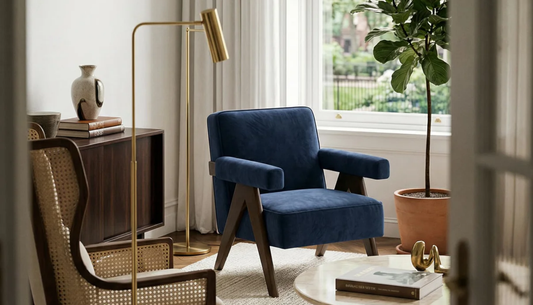
Velvet has a cut pile that gets crushed under weight. This is why velvet wears out fast on cushion fronts, leaving shiny marks. Sunlight also fades the pile, and it needs frequent brushing or steam cleaning to look good again.
In busy rooms, velvet seats quickly show signs of wear. If you love velvet, use it for decorative pieces away from direct sunlight and in areas where kids won't play.
Linen’s wrinkling, staining, and heat sensitivity issues
Linen feels cool and crisp but wrinkles easily. It stains quickly because it absorbs oils and spills. Heat can cause it to shrink or develop rings during cleaning.
For households with pets, snacks, and guests, linen can be hard to maintain. Mixing linen with cotton or performance fibers can make upkeep easier while keeping a natural look.
Silk’s water marks, tearing, and expensive maintenance
Silk looks stunning in soft light but struggles in everyday life. Water marks can leave permanent rings, and sunlight weakens the threads. Fabric tears can appear at seams or corners of cushions.
Cleaning silk requires special care that adds to its cost over time. Place silk away from windows and use it for decorative chairs, not family seating.
| Upholstery | Main Weakness | Typical Triggers | Better Use Case | Durability Note |
|---|---|---|---|---|
| Faux Leather | Cracking and peeling | Heat, body oils, abrasion | Short-term rentals, low-use accents | Choose real leather for long-term durability furniture to avoid faux leather cracking |
| Velvet | Flattening and fading | High traffic, sunlight, compression | Accent chairs, low-use lounges | Why velvet wears fast: pile crush shows traffic quickly |
| Linen | Wrinkling and stains | Spills, heat during cleaning | Formal rooms with light use | Linen staining and creasing increase upkeep |
| Silk | Water marks and tearing | Sun, moisture, abrasion | Decorative pieces away from windows | Silk upholstery maintenance is costly and frequent |
| Chenille | Pilling and snags | Heat, pet claws, friction | Low-traffic reading nooks | Classified among low-quality furniture materials for heavy use |
| Tweed | Pilling and hair trapping | Pets, rough contact | Office seating with gentle wear | Can feel rough and show debris quickly |
| Viscose/Rayon | Water rings and shrinkage | Moisture, harsh cleaners | Dry zones, light use | Color changes and texture shifts after cleaning |
| Wool Bouclé | Stains, pilling, shedding | Spills, dust, friction | Accent benches or backs | Loops snag; not ideal for pets or kids |
Engineered wood pitfalls: avoid MDF furniture and weak veneers
Engineered panels seem like a good deal but have their limits. They can warp under daily use. To find furniture that lasts, look at how humidity and spills affect them.

How MDF swells with moisture and leads to warping
MDF soaks up water like a sponge. A small spill can make edges swell, leaving ridges or bows. In humid places, this problem gets worse with the seasons.
Use coasters and clean spills quickly. But also think about where you place your furniture. Kitchens, bathrooms, and basements are riskier. For shelves and doors, avoid MDF in these areas.
Avoid veneer peeling on edges and high-use surfaces
Thin wood skins look nice but can peel over time. Edges and tabletops get damaged by heat, mugs, and cleaning. This can cause chips, bubbles, and curl.
To prevent veneer peeling, look for sealed edges and thicker faces. Good glues are also key. If water gets to the core, problems will spread, and fixes will be obvious.
When plywood outperforms MDF in long-term durability
Plywood's layered structure is stronger than MDF. It's better for frames, back panels, and seat bases. Plywood holds screws well and resists racking.
In a comparison, plywood keeps its shape in changing humidity. It's a smart choice for furniture that needs to last.
Laminates vs. solid wood: scratch resistance vs. structural strength
Laminates offer a hard surface that resists scratches. But they hide the core and can't stop swelling or flexing if the core fails.
Solid hardwood frames are heavy, strong, and can be fixed. They outlast thin skins on weak cores and reduce warping.
| Material/Core | Moisture Behavior | Scratch/Surface | Fastener Holding | Use Case Fit |
|---|---|---|---|---|
| MDF | High swell risk; prone to warping in humidity | Fair with finishes; edges damage easily | Moderate; edges crumble under stress | Dry rooms; low-impact shelving and trims |
| Plywood | Stable; layered build resists cupping | Good with veneer or paint | Strong; holds screws repeatedly | Cases, backs, seat bases, humid zones with care |
| Laminate on MDF | Core swells if water reaches seams | High scratch resistance | Moderate; laminate can chip at edges | Desktops and shelves away from sinks |
| Solid Hardwood (e.g., white oak, red oak) | Low swell; moves predictably with seasons | Refinishable; dents can be repaired | Excellent; supports joinery under load | Frames, legs, tabletops needing long service |
Durable furniture materials comparison: premium natural choices that last
This comparison looks at top natural materials for furniture that lasts. White oak, red oak, Roman travertine, and tempered glass are great for modern homes.
Choose with intent: think about where the furniture will go, how it will handle heat and moisture, and if it's easy to fix. The best choice balances looks, fixability, and value over time.
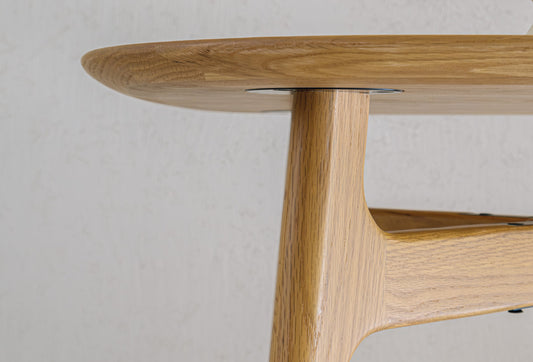
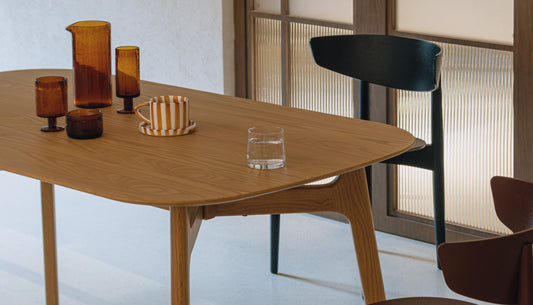
Solid white oak durability for frames, tables, and casegoods
Solid white oak is perfect for frames, tables, and casegoods. It's dense and resists moisture and knocks. Brands like Stickley and Ethan Allen love it for making heirlooms.
It's easy to fix scratches by sanding, staining, and sealing. This makes it a smart choice for lasting value.
Red oak furniture benefits for everyday wear and stability
Red oak is strong and stable, perfect for busy rooms. It takes stain well, adding warmth to dining and bedroom sets from Bassett and Room & Board.
It's durable and keeps joints tight with good joinery. Just clean it, condition the finish, and avoid moisture.
Roman travertine tabletop performance and maintenance basics
A Roman travertine tabletop adds natural beauty and coolness to any room. When sealed, it resists stains and soft etching.
Keep it clean by wiping spills quickly, avoiding acids, and using mats for hot dishes. A gentle stone cleaner keeps it looking good for years.
Tempered glass strength, safety, and scratch resistance realities
Tempered glass is stronger than regular glass, safer to break, and has eased edges for comfort. It's a popular choice for many designs.
It's easy to clean with a microfiber cloth and mild cleaner. But, it can chip or scratch, so avoid harsh cleaners and grit.
| Material | Best Uses | Key Strengths | Care Essentials | Long-Term Value |
|---|---|---|---|---|
| Solid White Oak | Frames, dining tables, casegoods | High density, moisture resistance, repairable finish | Dust, spot-sand scratches, reseal as needed | Excellent; solid white oak durability supports decades of use |
| Red Oak | Everyday dining, bedroom, storage | Stable structure, strong joinery hold, takes stain well | Clean regularly, protect from standing liquids | Very good; red oak furniture benefits shine in busy homes |
| Roman Travertine | Coffee and dining tabletops, consoles | Timeless look, cool surface, sealed stain resistance | Use coasters, avoid acids, reseal per maker guidance | High; a sealed Roman travertine tabletop ages gracefully |
| Tempered Glass | Tabletops, shelves, display units | Enhanced impact tolerance, safety edges, easy cleaning | Wipe with mild cleaner; avoid abrasives and gritty cloths | High; tempered glass strength adds dependable performance |
How to choose durable furniture, Durable furniture materials comparison
Start by knowing what you need. Think about how often you'll use it, who will sit there, and your home's climate. This helps pick furniture that lasts and is safe. Brands like ChapterLiving focus on strong frames and finishes.
Assessing traffic, pets, kids, and climate for long-term durability furniture
Choose materials based on how much use it gets. In busy areas, leather, microfiber, quality cotton, and nylon last longer. Solid hardwood frames are better for weight and movement.
For homes with pets and kids, leather is good for scratches, microfiber for stains, and tight cotton weaves for less snagging. Avoid chenille and tweed. In humid or hot areas, pick stable woods and sealed finishes for furniture that lasts.
Weight ratings, joinery quality, and wobble tests in-store
Check the tag for weight capacity and sit on each piece. If it wobbles, it will get worse at home. Look under the seat for signs of strong construction.
Avoid furniture with thin rails or MDF cores in key parts. Ask if you can tighten fasteners later. This service helps furniture last longer and stay square.
Fabric double rubs, colorfastness, and cleanability standards
Look for double-rub ratings that match your needs: higher counts for busy areas. Microfiber resists stains and keeps color; nylon bounces back. Premium cotton works well when tightly woven.
Avoid velvet in busy areas and silk in spill zones. Chenille and tweed can pill or trap hair. Keep olefin away from direct sun to avoid brittleness.
Moisture, heat, and sunlight exposure: what to place where
Use tempered glass and sealed stone where spills happen. Hardwood frames handle seasonal changes better than engineered cores.
Don't use MDF in wet areas; humidity can cause it to swell and warp. Protect fabrics from strong sun to prevent fading. Use coasters, mats, and approved sealants to protect finishes.
Use this guide to compare materials with your home's needs. Match materials, structure, and care with your daily life. This will help you find furniture that meets ChapterLiving standards and lasts.
Common failure modes: furniture materials that warp, dent, crack, or fade
Even the best furniture can fail due to heat, moisture, or sun. Spotting early signs is key. This helps avoid costly repairs and keeps furniture looking good in busy rooms.
Warping in MDF and thin veneers from humidity
Moisture is the main cause of warping. MDF swells when wet and bows as it dries. Thin veneers lift at edges with humidity changes, making MDF furniture less popular in humid areas.
Quickly clean spills and keep air moving. Plywood or solid wood is better for doors and shelves. They help prevent veneer peeling.
Cracking and peeling in faux leather and low-grade vinyls
Low-quality vinyls and bonded leather crack easily. Their coatings dry out and flake, making them look worn quickly. Premium vinyls are better, but budget versions crack fast, often under sun or heat vents.
Opt for top-grain leather from brands like Herman Miller or Knoll for heavy use. It lasts longer and looks better in family rooms.
Matting, pilling, and shedding in boucle and chenille
Boucle loops snag and mat, while chenille fibers pill and shed. Pet claws can speed up wear. High-friction areas become uneven, making cleaning harder.
Use lint shavers carefully and rotate cushions. For busy seating, choose tighter weaves to hide aging signs.
Discoloration and brittleness from UV on synthetics and olefin
Direct sunlight fades many synthetics and makes olefin brittle. UV breaks down fibers, dulls colors, and weakens materials. Large windows in south-facing rooms increase risk.
Use sheer shades and UV films to reduce sun damage. Place sensitive pieces away from windows to keep colors and textures bright.
- Watchpoints: humidity swings, hot air vents, and strong UV
- High-risk zones: kitchens, baths, windows, and entryways
- Key goal: support long-term durability furniture by limiting stress on low-quality furniture materials
Smart swaps: replacing low-quality furniture materials with better alternatives
Small changes can make a big difference in your rooms. These smart swaps come from comparing durable materials. They focus on natural strength, easy care, and lasting service. Brands like ChapterLiving use these choices to add value without extra weight.
Swap faux leather for real leather or high-performance microfiber
Faux leather can crack and peel easily. Real leather gets better with age and resists tears. For spill protection, choose microfiber for its tight weave and quick clean-up.
Both upgrades save time in family rooms. Microfiber is great for pets and kids, while premium leather lasts longer.
Choose tightly woven cotton or microfiber over velvet or silk
Velvet can crush and fade where people sit. Silk gets water marks and can tear. Cotton and microfiber are breathable, strong, and easy to clean.
These fabrics keep their shape and color well. They fight pilling and hold up to sun and steam. They're easy to clean and stay neat during busy times.
Pick solid hardwoods (white oak, red oak) over MDF cores
MDF swells with moisture and can warp. Solid wood is strong and repairable. Use solid white oak for frames and tables in changing climates.
Red oak furniture is durable and resists dents. Both oaks add stability and age well, unlike MDF.
Upgrade to tempered glass and well-finished stone like travertine
Tempered glass is stronger and easy to clean. Pair it with sealed Roman travertine for a warm, durable surface. Use it on consoles or coffee tables.
Use coasters and soft cloths to protect the finish. The right seal keeps stains away and keeps the surface cool and bright.
| Common Low-Quality Choice | Better Alternative | Key Benefit | Maintenance Tip | Where It Shines |
|---|---|---|---|---|
| Faux leather | Real leather or performance microfiber | Longer wear; fewer cracks and peels | Condition leather; vacuum microfiber and blot spills | High-traffic sofas, dining chairs |
| Velvet or silk | Tightly woven cotton or microfiber | Better abrasion resistance and colorfastness | Spot clean; rotate cushions to balance wear | Family rooms, kid-friendly spaces |
| MDF cores with thin veneers | Solid white oak or red oak | Structural strength and repairability | Wipe dry; maintain finish as needed | Tables, casegoods, bed frames |
| Standard glass or unsealed stone | Tempered glass and sealed Roman travertine | Higher impact resistance and stain control | Use coasters; clean with non-abrasive products | Coffee tables, consoles, side tables |
| Generic mixes | Curated builds by ChapterLiving | Balanced specs from a durable furniture materials comparison | Follow care cards; schedule seasonal checks | Whole-home, coordinated sets |
ChapterLiving standards: premium natural materials furniture built to last
ChapterLiving focuses on making furniture that lasts. We use solid white oak and red oak for frames and casegoods. The surfaces are finished with Roman travertine or tempered glass.
This combination is tough against daily wear and tear. It can be fixed, refinished, and used for many years.
Our furniture is built to be strong. We use hardwood joinery and tight mortise-and-tenon seats. This makes sure it's safe and stable.
Hardware is chosen to stay tight under weight. The furniture feels solid when you sit or move things around.
In homes with kids and pets, ChapterLiving uses durable fabrics. Oak frames can handle scratches, and Roman travertine can withstand heat. Tempered glass is easy to clean after spills.
By choosing solid oaks, tempered glass, and Roman travertine, we avoid common problems. Our furniture is made to last and can be repaired. It's built to age gracefully in American homes.
FAQ
Which materials should I avoid in furniture if I care about long-term durability?
Avoid low-quality furniture materials that show early wear or structural weakness. Skip faux leather (cracks and peels), velvet (crushes and fades), linen and silk (wrinkle, stain, tear), chenille and tweed (pilling, snags), and viscose/rayon (water marks, shrinkage). For frames and cores, avoid MDF in humid areas and thin veneers that peel. Choose a safe and stable furniture structure built from solid hardwoods instead.
Why is faux leather risky compared to real leather?
Faux leather can crack and peel within months, even though it’s easy to wipe. Real leather lasts far longer, resists punctures, and improves with age. If you need stain protection without the peeling risk, consider high-performance microfiber as a durable alternative.
What makes velvet flatten and fade so quickly?
Velvet’s pile crushes in high-traffic zones, showing tracks and glossy patches. It also fades under sunlight and collects dust and allergens. In busy rooms, choose cotton, leather, nylon, or microfiber to avoid visible wear.
Why is linen considered high-maintenance for everyday seating?
Linen wrinkles fast, absorbs stains, and is heat-sensitive, which complicates cleaning. Steam or heat can cause shrinkage. It suits low-traffic spaces; families often prefer cotton or microfiber for easier care.
What are the durability issues with silk upholstery?
Silk tears easily, shows permanent water marks, and weakens in sunlight. Maintenance is costly and delicate. It’s not ideal for homes with kids or pets, where sturdier textiles perform better.
How does MDF swell with moisture and lead to warping?
MDF absorbs water like a sponge. Spills and humidity cause swelling, edge lift, and eventual warping. In kitchens, baths, or damp basements, this risk rises. Plywood or solid wood handles humidity cycles better.
Why do veneers peel on edges and high-use surfaces?
Thin or poorly bonded veneers fail at corners and edges as humidity cycles loosen adhesives. Direct water contact accelerates lift. Once veneer peels, repairs are difficult; a solid wood surface avoids this failure mode.
When does plywood outperform MDF for long-term durability?
Plywood’s cross-laminated layers resist warping and racking better than MDF, specially in variable climates. It’s a strong choice for carcasses, back panels, and seat bases that see load and movement.
Laminates vs. solid wood—what matters for strength and longevity?
Laminates add scratch resistance but don’t strengthen the core. If the core is weak, problems will appear. Solid hardwoods offer true structural strength, can be repaired by sanding, and resist catastrophic swelling.
Why is solid white oak a top pick for frames, tables, and casegoods?
Solid white oak is dense with a closed grain, so it resists dents and wear. It stays stable across seasons and can be refinished for decades of service. It’s a standout for long-term durability furniture.
What are the benefits of red oak for everyday use?
Red oak provides reliable strength and stability at a great value. It handles daily knocks in dining, living, and bedroom pieces, and it finishes well for lasting beauty.
How does Roman travertine perform as a tabletop?
With proper sealing, Roman travertine resists stains and etching better. Use coasters and mats, avoid acids, and wipe spills promptly. Routine care preserves its natural character for years.
Is tempered glass strong and safe enough for family homes?
Tempered glass is tougher than regular glass and often comes with rounded corners for safety. It cleans easily and resists heat rings, but it needs gentle handling to avoid major impact cracks.
How do I choose durable furniture for my home and climate?
Match materials to traffic, pets, kids, and humidity. Use leather, microfiber, cotton, or nylon for heavy use. Opt for solid hardwood frames in variable climates, and keep moisture-sensitive cores out of damp rooms.
What weight ratings and joinery details should I check in-store?
Confirm weight capacity and test for wobble. Look for mortise-and-tenon, dowels, or screwed corner blocks. A safe and stable furniture structure uses robust joinery and tight fasteners you can re-check over time.
Which fabric performance metrics matter most?
Check double rubs for abrasion, colorfastness for fade resistance, and cleanability. Microfiber resists stains and holds color, nylon resists crushing, and premium cotton wears evenly. Keep olefin out of direct sun to prevent brittleness.
Where should I place moisture- or heat-sensitive materials?
Avoid MDF in baths, kitchens, and damp basements. Keep sun-sensitive fabrics out of direct UV. Use tempered glass or sealed stone where spills and heat are common, and hardwood frames for rooms with fluctuating humidity.
What are the most common failure modes to watch out for?
Watch for MDF swelling and veneer peeling in humidity, faux leather cracking and peeling, boucle and chenille matting and pilling, and UV-induced fading or brittleness in synthetics like olefin.
Why do faux leather and low-grade vinyls crack and peel?
Their surface coatings degrade with friction, heat, and sun. Low-grade vinyls tear faster, too. Genuine leather or high-performance microfiber offers better long-term resilience.
What causes boucle and chenille to look tired so fast?
Their textures trap dust and absorb spills. Loops snag on pet claws, leading to pilling and shedding. In busy homes, choose tighter weaves that resist abrasion.
How does UV light discolor and embrittle synthetics and olefin?
UV breaks polymer chains, leading to fading and brittleness. Protect synthetics from direct sun with window films, shades, or smart placement away from harsh light.
What are smart swaps for better durability in upholstery?
Replace faux leather with genuine leather or high-performance microfiber. Swap velvet and silk for tightly woven cotton, microfiber, or nylon to cut maintenance and extend lifespan.
Which frame and surface upgrades deliver the biggest gains?
Pick solid hardwoods—specifically white oak or red oak—over MDF cores. Upgrade to tempered glass and well-finished stone like travertine for spill-prone areas. These swaps support long-term durability furniture goals.
How do tempered glass and travertine compare for daily use?
Tempered glass is heat tolerant and easy to clean but needs gentle handling. Sealed travertine resists stains with proper care; avoid acids and use mats. Both are premium, long-wearing surfaces.
What makes ChapterLiving’s materials different?
ChapterLiving builds with premium natural materials furniture: solid white oak, red oak, Roman travertine, and tempered glass. These choices prioritize structural strength, surface durability, and timeless design.
How does ChapterLiving ensure a safe and stable furniture structure?
We pair robust hardwood frames with strong joinery and careful weight ratings, then guide placement to manage humidity, heat, and UV. The result is furniture that stays stable and looks great over time.
Why does ChapterLiving avoid MDF cores and thin veneers?
To prevent swelling, warping, and veneer peeling in real-world conditions. Solid hardwood construction—backed by reparability—delivers better long-term performance and value.