What frame and filling should you look for in non-flattening accent chairs living room chairs?
When you look for non-flattening accent chairs, the clues are hidden. The frame and filling are key to keeping the seat comfy. This guide will show you what matters most.
Accent chairs are more than extra seats. They add color, shape, and contrast. They should also be comfy for when friends visit.
 Maybe you need chairs for flexible seating or a statement piece. Comfort is essential, not just looks. Look for strong joinery, stable legs, and durable cushioning.
We'll talk about how accent chairs should fit your room. We'll discuss visual weight, traffic flow, and upholstery that lasts. For chairs that stay inviting, these details are important.
ChapterLiving believes in quality for UK homes. They focus on solid wood and high-rebound fillings. Their collections are thoughtfully built for daily living, bringing together natural beauty and lasting comfort without the premium price tag.
Why a non-flattening accent chair matters in everyday living
A living room might look complete on paper, but it often feels off. That's where accent chairs come in. They add a finishing touch that makes the space feel welcoming.
In our daily lives, that extra seat is often the first one we choose. It's where we relax, catch up on news, or chat with friends. Opting for non-flattening accent chairs ensures the room stays cozy and stylish over time.

How accent chairs living room chairs “complete” a space with style and function
An accent chair ties the room's colors together. It can match the rug, complement throw pillows, or introduce a new texture. This way, it enhances the room without overwhelming it.
- Adds color and pattern to break up large blocks of sofa fabric
- Creates a focal point near a fireplace, bay window, or bookcase
- Defines conversation zones so seating feels intentional, not scattered
- Guides traffic flow by shaping clear walkways in smaller UK rooms
- Adds a real use like a reading spot or a welcoming guest seat
Occasional chairs vs. accent chairs vs. a statement armchair: what the names really mean
These terms might seem similar, but they point to different uses. Occasional chairs are for occasional use, not daily lounging.
An accent chair is an occasional chair that adds design flair. A statement armchair goes further, designed to be the centerpiece of the room, even with a neutral sofa nearby.
Common comfort problems to avoid: sagging seats, collapsing backs, and quick flattening
A chair might look great in a showroom but fail at home. Look out for sagging seats, collapsing backs, and cushions that lose shape quickly. This is a big problem if that chair becomes your go-to spot.
Style is important, but so is durability. A chair that keeps its shape offers lasting comfort for reading, sipping coffee, and hosting guests. It's more than just a pretty piece; it's a reliable companion for everyday moments.
Occasional chairs or a statement armchair: how to choose the right accent armchairs for living room layouts?
When picking accent armchairs, ask yourself: how will you use the seat every day? Some chairs are great for quick changes, while others become the room's centerpiece. In small homes, choosing chairs that fit well helps keep the space calm and stylish.

When you need supportive comfort vs. when you want a bold focal point
For daily use, focus on comfort. Look for sturdy frames, firm seats, and solid arms. Occasional chairs are good for extra seating, but they're not for daily use.
For a bold look, choose a statement armchair. It should have a striking shape, color, or texture. Quality matters to keep the chair looking good and comfortable over time. In small rooms, choose compact chairs to avoid clutter.
Best use cases: reading nook seating, conversational seating, and decorative “functional art”
For reading, place the chair by a window for light. Add a small table for your book and tea. A floor lamp is perfect for evening reading, keeping the area useful without taking up too much space.
For chatting, place a chair opposite the sofa for face-to-face talks. Two chairs can flank a fireplace or window, making guests feel welcome and keeping the room open.
For decorative flair, treat the chair as art. Choose a chair with a bold print or unique shape. This way, even occasional chairs can add style to your room.
Placement basics that protect comfort: spacing for traffic flow and easy-to-use seating zones
- Walkways: leave 18–24 inches around big pieces for easy movement.
- Conversation distance: keep seats 4–10 feet apart for a friendly feel.
- Scale checks: match the chair's height to the sofa's for a smooth look.
- Depth control: avoid deep chairs in small rooms.
- Plan before you buy: use tape to mark the chair's space on the floor, ensuring it fits well in your room.
Frames that feel sturdy: what to look for in furniture built to last
Fabric sets the mood, but the frame does the heavy work. If you want furniture built to last, start underneath the seat where stress builds up first. In many UK homes, an accent chair quickly becomes the “everyday chair” once it lands in the best spot.
A durable solid wood frame tends to stay quiet and steady over time. It resists the small shifts that can lead to wobble, squeaks, and loosening joints. That matters when the chair gets used for reading, scrolling, or extra seating when friends drop by.
Durable solid wood frame benefits for long-term stability
When shopping, look for clear build language that signals real structure, not thin panels dressed up to look strong. A well-made frame supports the seat deck and arms so the chair feels consistent from day one to year three.
- Solid wood mentioned in the frame description, not just “wood” or “wood effect”
- Reinforced corners and a firm, even feel when you press on the arms
- No twisting when you lift one side slightly from the floor
Why a solid rubber wood frame delivers the best density and strength for daily use
A solid rubber wood frame is a practical choice for regular use because it offers reliable density and strength. That density helps the chair hold its shape when people sit down hard, shift positions, or lean into the back during long chats.
It also supports hardware and joints well, which can help the chair stay snug as seasons change and indoor humidity moves up and down.
If you are searching for this level of structural integrity, the Adele Armchair features a heavy-duty solid rubber wood frame engineered specifically to withstand rigorous everyday lounging without a single squeak.
How solid oak legs and engineered frames keep your seating secure
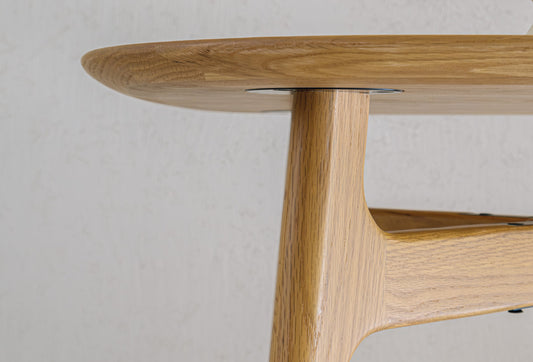
Legs do more than look good. Solid oak legs can add confidence under load, even on busy floors where chairs get nudged and repositioned. Pair that with a thoughtful, engineered leg structure—like the unique weight-distributing base found in premium designs—and the chair can feel more planted during everyday movement.
This kind of leg engineering is about reducing the risk of tipping when someone perches on the edge, pivots to join a conversation, or stands up while holding a drink. In real living rooms, that steady base helps the chair feel safer in active seating zones.
Visual weight vs. real footprint: why slim legs can feel lighter in UK small spaces
Visual weight vs real footprint is the difference between what your eyes think the chair takes up and what it actually measures on the floor. Slim legs and open space under the seat can make a chair feel less bulky, even if the footprint is similar to a chunkier design.
In UK small spaces, that airy look can keep the room feeling open while giving you a sturdy frame that holds up to daily life.
Seat and back filling that resists sagging and keeps lasting comfort
Accent chairs in living rooms often start off great but then lose their shape. This is because the inside of the chair, not just the outside, matters for comfort. You need to focus on what's inside the seat and back.
Good fillings are made to handle daily use. They should bounce back quickly, keeping the chair's shape and comfort longer.
The science of bounce-back: why high-resilience foam support outlasts standard cushions
High-resilience foam bounces back fast, avoiding the "pancake seat" feeling. This keeps the chair feeling steady and supportive over time.
This bounce-back also supports your posture. The cushion meets you at the same height, making sitting more consistent and less tiring.
High-rebound dense foam and high-resilience sponge for preventing quick flattening
High-rebound dense foam is great for daily use, keeping the seat lively. It's often paired with a sponge layer to smooth out pressure points and prevent flattening. This combo is also important for the backrest. A supportive back keeps your shoulders straight during long sits.
To completely bypass the flat-cushion trap, look at our Adele Armchair. It is packed with high-resilience foam support and high-rebound dense sponge that active households need for structural longevity.
Soft packaging technology and soft packaging technology sponge: how it can help maintain shape
Our Soft Packaging Technology focuses on how layers are built and engineered. With a specialized sponge system, the fill stays evenly spread, preventing dips, thin spots, and sagging contours. This technology also helps the chair's edges stay clean. It keeps the seat and back looking good over time, even with daily use.
For those who prefer a premium, tailored look that doesn't collapse, the Lois Lounge Chair incorporates this advanced Soft Packaging Technology inside its core, blending luxurious comfort with a crisp silhouette that bounces back instantly.
What to check in-store or on product pages: firmness, recovery, and edge support cues
- Firmness: Sit all the way back. The seat should feel supportive, not too soft from the start.
- Recovery: Stand up and watch the cushion. It should rebound evenly, without slow rise or lumps.
- Edge support cues: Sit on the front edge like putting on shoes. It should feel stable, not folding down.
ChapterLiving uses solid wood and high-rebound fillings. This means accent chairs can keep their shape and comfort through UK routines. Enjoy your morning coffee, work calls, and relaxed evenings without worrying about the chair's comfort.
Upholstery and cover materials that support comfort and durability
Upholstery does more than set the mood. It shapes how accent chairs feel day to day, and how they handle busy UK homes.
Think about your routine first. If the chair gets used after work, at breakfast, or during film night, durability matters. If it’s mostly for guests, you can lean into a bolder look.
Textured weave with a distinctive pattern: adding visual depth and wear-resistance
A textured weave is a smart middle ground: it looks tailored, yet it’s practical. The texture adds grip and depth, so the chair reads “finished” even in a simple room.
A distinctive pattern can also tie together wood tones, metals, and rugs without needing new paint. In real life, that surface detail helps disguise small marks and lint, which supports everyday wear-resistance.
- Best for: daily seating, family rooms, and open-plan spaces
- Style tip: go neutral in colour, then let the fabric texture do the work
You can experience this outstanding wear-resistance on our textured weave edition of the Adele Armchair.
Breathable velvet fabric: a touch of vintage luxury that’s soft to the touch
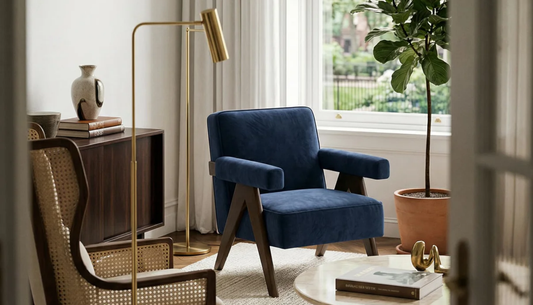
Breathable velvet brings a vintage-leaning feel, with rich colour that holds the eye. It’s soft to the touch, which makes a chair feel inviting even before you sit down. This makes it a perfect match for mid-century vintage statement pieces that aim to bring warmth and sophisticated drama into a room.
If you want accent chairs that stand out, this is an easy upgrade. Keep the shade classic, and let the sheen add drama without taking over the room.
This ultra-soft, breathable velvet comes standard on our signature Lois Lounge Chair, elevating any corner into a high-end luxury focal point.
ChapterLiving approach: honest value, smart functionality, and ready-to-use comfort
ChapterLiving focuses on value and smart design, inspired by everyday life. It aims to make your home more comfortable without a high price. The goal is to make your space feel great from the start and stay that way.
No assembly required means less stress and fewer problems. Each piece comes ready to go, so you don't need tools or worry about missing parts. It's a simple, practical setup that fits into your busy life.
In the UK, space is often limited, so size is key. ChapterLiving offers compact designs that save room while supporting you. These pieces are perfect for small spaces, where every inch is important.
Meet Adele and Lois, two ChapterLiving options for cozy sitting and reading. They're made with solid wood and high-quality fillings. This means they stay firm and keep their shape, providing lasting comfort without losing their stylish look.
Hungry for More Home Inspiration? Expand Your Next Chapter Here
If you are on a mission to build a home that gracefully withstands the rhythm of everyday living, choosing the right accent chair is just the first chapter. To help you avoid common buyer regrets and make confident investments for your space, we’ve curated two deeply researched guides to perfect the rest of your living room:
-
Which Materials Should You Avoid in Furniture if You Care About Long-Term Durability?
Before you fall in love with a piece purely for its looks, go underneath the surface. This guide breaks down the hidden material traps—from weak composites to low-grade synthetic overlays—that break down under daily wear, ensuring you invest only in pieces that offer honest value and lifelong stability. -
How Do You Choose a Sofa Filling That Stays Comfortable Instead of Collapsing Over Time?
A great sofa shouldn’t come with an expiration date. Dive into the core science of living room seating to discover which foam densities, spring systems, and cushion layers maintain their perfect bounce-back profile for years, so your family’s favorite lounging spot never turns into a deflated, sagging pancake.
FAQ
What makes non-flattening accent chairs living room chairs different from standard accent chairs?
Non-flattening accent chairs have a solid wood frame and high-resilience foam. This keeps the chair stable and the cushions from flattening. They prevent sagging and collapsing, making them more comfortable over time.
Why does a non-flattening accent chair matter for everyday living?
Accent chairs are often the most used in a room. They need to be strong to stay comfortable. Choosing durable chairs means they support you for reading, coffee, and guests.
Are accent chairs really more than “extra seating”?
Yes. Accent chairs add color, pattern, and a dynamic focal point to a room, proving that home is not a static space but an evolving story. Even with a sofa, rug, and coffee table, a well-crafted chair weaving in natural textures completes the room both visually and functionally.
What’s the difference between occasional chairs, accent chairs, and a statement armchair?
An occasional chair is for occasional use. An accent chair adds a pop of color or design. A statement armchair is bold and stands out in the room.
What comfort failures should I avoid when shopping for occasional chairs?
Avoid chairs with sagging seats and collapsing backs. Look for cushions that keep their shape and strong support at the front edge. These issues make chairs less comfortable over time.
Should I choose function-first or style-first for a statement chair?
For regular use, choose comfort and strong construction. For occasional use, focus on bold design. But, a stable frame and resilient filling are always a good idea.
What are the best layout uses for accent chairs in a living room?
Place a reading chair near a window with a side table and lamp. For conversational seating, use one chair opposite the sofa or two by a fireplace or window. A bold chair can be a decorative piece in a corner.
How much space should I leave around accent chairs for traffic flow?
Leave 18–24 inches around furniture for easy movement. For conversation zones, keep seats 4–10 feet apart. Use painter’s tape in UK homes to check if a chair fits without blocking paths.
How do I choose the right scale and proportion with my sofa?
Choose a chair seat height within 4 inches of your sofa’s. Avoid a chair that’s too deep, as it can make the room feel messy. This is important in UK small spaces.
Why does the frame matter more than upholstery for long-term comfort?
The frame is the foundation, while upholstery is the personality. A strong frame ensures stability and support, even if the upholstery changes.
What should I look for in a durable solid wood frame?
Look for solid wood frame construction in product descriptions. Avoid vague language. A strong frame is essential for everyday use.
Why is a solid rubber wood frame a smart choice for daily use?
Solid rubber wood frames are dense and strong. They provide stability, which is important for daily sitting. They help prevent wobble and loosening.
How do engineered leg structures and premium solid woods improve chair stability?
Premium wood options like solid oak legs offer high density under heavy loads. When combined with a unique, weight-distributing leg structure—such as a base designed to prevent tipping—the chair remains perfectly planted, even when you pivot or sit near the edge.
What’s the difference between visual weight and actual footprint?
Visual weight is how bulky a chair looks. Slim legs and open bases can make a chair look lighter, even if it takes up the same space. This is helpful in small UK living rooms.
What filling helps prevent quick flattening in a seat and back?
High-resilience foam support is designed to bounce back. Look for materials like high-rebound dense foam or high-resilience sponge. They help the chair keep its shape and feel supportive longer.
What does “bounce-back” mean when I’m testing a chair?
Bounce-back is how well the cushion recovers after pressure. A good seat should feel supportive right away and rebound quickly. Poor bounce-back makes a chair feel flat after regular use.
What is soft packaging technology, and why does it matter for comfort?
Soft packaging technology helps the seat and back keep their shape and comfort. It aims for a smoother feel and better structure, so the chair stays comfortable longer.
What should I check on product pages or in-store to judge support?
Check for firmness, quick recovery after standing, and edge support. These cues help you avoid chairs that look great but quickly lose comfort.
How do I choose between textured weave and breathable velvet upholstery?
A textured weave adds depth and can hide minor wear. Breathable velvet is soft and rich in color, making it perfect for a statement armchair.
Can I keep the look neutral without the chair fading into the background?
Yes. Use texture or an interesting silhouette and leg profile for a neutral chair. This way, the chair can be designed and intentional without bold color.
What is ChapterLiving’s approach to accent seating?
ChapterLiving focuses on curating versatile living solutions inspired by the rhythm of everyday life. We combine natural textures, durable craftsmanship, and smart functionality to create premium furniture that is built to last—all without the traditional retail markup.
Do ChapterLiving accent chairs arrive assembled?
Yes—no assembly required. They arrive ready to use, so you can skip tools and stress. This ensures they fit well in your layout.
Are ChapterLiving chairs designed for UK small spaces?
Yes. ChapterLiving chairs have compact dimensions for UK small spaces. They balance comfort and space, making them perfect for tight living rooms.
Previous
Can a Single Mobile Side Table with Storage Replace Three Pieces of Traditional Furniture?
Next
Why Does Breathable Velvet Make the Best Accent Chairs Living Room Chairs for Year-Round Comfort?