Why do interior designers always recommend oak dining tables for modern homes?
In a modern home, the dining table is more than just a piece of furniture. It's the heart of the room, where families gather for meals and work. That's why solid oak dining tables are a top choice: they look great and last long.

Many oak dining tables have a light, neutral color. This color helps make the room feel brighter and more open. It's perfect for modern homes, where everything looks better with a bit of warmth.
A dining room table made of solid oak also adds natural textures. Its grain brings depth without being too busy. This makes it easy to pair with other materials, keeping the room warm and modern.
This article will explore what designers really look for in a dining table. You'll learn how oak stands up to daily wear and tear, and how it works in open-plan spaces. We'll also discuss the importance of sustainable furniture and how to spot good design.
What makes oak dining tables a modern design staple in American homes
In many modern homes, the dining area is more than just for dinner. It's often in sight of the kitchen and living room. A well-chosen oak dining table and the right finishes can make this open layout feel calm.

Light-reflecting, neutral color that keeps rooms feeling open
Red oak has a color that's between pale beige and warm honey. It has soft gold or gray undertones, depending on the finish. This light color makes rooms feel larger and easier to breathe in.
Straighter grain that complements clean, contemporary lines
Oak's grain is often straight and even, thanks to rift-sawn or quarter-sawn cuts. This pattern works well with modern designs. It adds a tailored look without feeling cold.
Warm wood tones that pair easily with black metal, stone, and soft textiles
warm wood tones look great with black window frames and matte hardware. They also pair well with stone and soft fabrics. This creates a balanced look that doesn't feel themed.
- Skip the matchy dining suite that floods the zone with the same wood.
- Mix in upholstered or leather chairs to add comfort and visual relief.
- Layer a textured rug or linen drapery to keep the room from feeling sharp.
Natural textures that help modern spaces feel less stark
Natural textures, like oak's visible pores, add depth without clutter. Oak is easy to live with, bringing polish that feels human.
Durability that’s built to last for everyday practicality
Durability is key when a dining table is used every day. It's not just about looks; it's about withstanding daily use. From breakfasts to dinners, a table needs to be tough without extra care.

Hardness advantages: Premium oak timber's exceptional density vs. softer woods like black walnut
Black walnut scores around 1,010 on the Janka hardness scale. Red oak is closer to 1,360. This difference is important for withstanding heavy use.
Designers often choose premium red oak for its strength. It's dense, making it perfect for everyday wear and tear, while keeping a modern look.
Scratch visibility and wear patterns that tend to age into a consistent look
Walnut's dark color shows scratches more easily, which can be a problem in bright rooms. But, over time, these marks can blend into the wood's natural aging process.
Oak, on the other hand, hides small scratches well. Larger marks may stand out, but they tend to spread evenly, creating a consistent look that many like.
Stability and resistance to warping thanks to red oak’s dense grain structure
Stability and resistance to warping thanks to red oak’s dense fibers and robust interlocking grain structure. Red oak's sheer density helps it maintain dimensional stability, even when the air changes with the seasons.
But, it's not just about the wood type. Proper drying and strong construction are also key. This is why tables with anti-warp design are so important.
Why this matters in open-plan layouts with kitchen-to-dining airflow and humidity shifts
In many U.S. homes, the kitchen and dining area share the same air. This can lead to humidity changes, thanks to cooking, dishwashers, and HVAC systems.
Exceptional stability is vital in these situations. When choosing between oak and walnut, look beyond the wood type. Consider how the table is built to last, from top to bottom.
Why Modern Geometric Red Oak Kitchen Tables Create 'Spaces Where You Can Truly Connect'
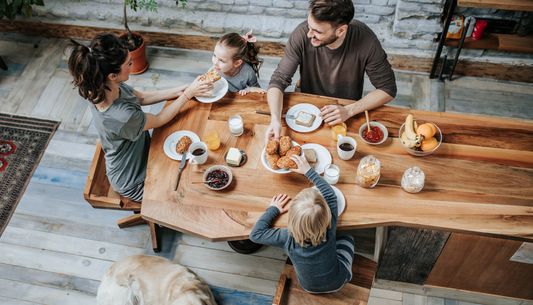
A Modern geometric red oak kitchen table changes a kitchen's feel every day. It's more than a place to eat; it's where plans are made, homework is done, and guests stay longer. Designers aim to create spaces for real connection, not just furniture.
Why designers favor a modern rectangular kitchen table for “spaces where you can truly connect”
A modern rectangular kitchen table makes seating easy and predictable. It fits well with cabinets and islands, making the room look calm and organized. It also supports face-to-face conversations, making them feel natural.
Choosing the right size is key. A table too small for a big room looks like an afterthought, even with a beautiful finish. Chairs must fit well, with enough space for elbows to rest comfortably.
Comfortable leg clearance and unrestricted leg extension for long meals and work sessions
Comfort is key when dinners turn into dessert. Look for tables with enough leg clearance and unrestricted leg extension. This ensures everyone, from tall guests to kids on stools, can sit comfortably.
When placing chairs on one side, spacing is important. Aim for about 20 cm between chairs to avoid awkward sitting angles.
Multipurpose use design: daily meals, weekend gatherings, holidays, and remote work
Modern homes need surfaces that can handle a lot. A multipurpose design is more practical than a piece for special occasions. From breakfast to remote work, a rectangular table fits the bill without needing to rearrange.
Round and oval shapes can offer squeeze-in seating in some layouts. Yet, a rectangular top often provides the cleanest workflow for plates and work-from-home setups.
Sculptural beauty that reads as intentional, not just functional
A well-designed table can feel architectural. A Modern geometric red oak kitchen table brings beauty through strong lines and rich surfaces. It looks intentional, not just functional, making the kitchen feel complete even on a regular day.
How oak supports today’s most requested modern styles
Modern homes often blend different areas together. Oak brings a natural tone that works well with other woods. It's perfect for creating a calm, lived-in feel without being too loud.
Scandinavian and Japandi: calm palettes, quiet grain, and a connection that can coexist harmoniously with nature
Scandinavian and Japandi styles focus on simplicity and calmness. Oak's subtle grain complements these styles. It helps your dining area feel connected to nature, even in busy homes.
Oak's consistency is also a plus. It creates a smooth flow from one area to another. This is great for spaces like kitchen-dining areas, making them feel intentional.
The texture crossover: Pairing warm red oak with matte Roman travertine stone
Combining wood and stone is a popular trend. ChapterLiving's Isabella Dining Table is a great example. It pairs warm red oak with matte Roman travertine for a modern contrast.
This combination is also practical. The right finish can make the surface scratch-resistant and stain-resistant. This is useful for areas that see a lot of use.
Mixing materials to avoid “matchy” dining sets (wood table + upholstered, leather, or mixed chairs)
Mixing materials can modernize your dining area. A wood table with matching chairs can feel too heavy. Adding upholstered or leather chairs can soften the look and add comfort.
- Skip dining suites where everything matches.
- Try upholstered chairs for comfort.
- Add leather for a clean, warm look.
How to avoid visual monotony when the table is the same color as the floor
When the table and floor are the same color, the table can blend in too much. Darker legs on the table can help define its shape and add contrast.
A rug can also help, but it needs to be the right size. The rug should extend at least 60 cm from the table edge. This helps keep the area defined and adds purpose to your furniture.
Construction details interior designers look for: anti-warp design and exceptional stability
Designers admire the grain but also think like builders. Even with solid red oak, how it's dried, joined, and kept flat matters a lot.
The best tables are made for everyday life. They handle cooking heat, drafts, and humidity changes well.
Structural strength signals
Start by looking underneath. Reinforced framing and smart under-table support keep the top stable over time.
- Discrete T-shaped metal anti-bending strips act like hidden ribs, helping resist long-span movement and supporting daily load changes.
- A thickened, reinforced double-layer structure in the frame adds rigidity where stress builds up: at corners, spans, and leg joints.
How anti-warp thinking shows up at home
Red oak’s natural density helps with daily wear, but it’s not magic. An anti-warp design is what truly controls movement, keeping the top flat through changing seasons.
Consistent joinery and balanced under-structure are key, not just a pretty finish.
Craft cues that separate lasting builds
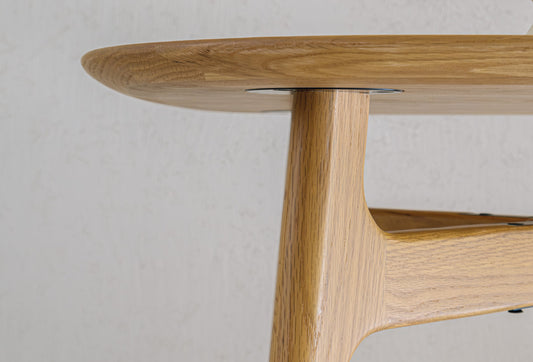
High-difficulty craftsmanship is seen in hard-to-make shapes and clean transitions. A complex three-leg solid wood base or metal reinforcement without bulky brackets shows tighter build standards.
The goal is a table that feels sturdy and beautiful. It should have fewer wobbles, squeaks, and cleaner lines from every angle.
Why no assembly required can matter
No assembly required is more than a convenience perk. Fewer field-assembled joints mean better long-term alignment. This is because the base and top meet with factory-set tolerances.
With reinforced framing and smart under-table support, this approach often improves stability over years. It handles sliding chairs, leaning elbows, and everyday use well.
ChapterLiving picks designers trust for modern homes
ChapterLiving sees the home as a story that keeps changing. Its furniture is made to grow with life's ups and downs. Designers love this approach because it delivers exceptional craftsmanship and honest value, proving that thoughtfully designed spaces shouldn't come with a premium price tag.
The Long Island Table is a modern take on dining tables. It has a sleek, clean look. Its premium red oak build is sturdy and looks intentional, not heavy.
Underneath, it has hidden metal strips for extra support. This keeps the table flat and stable over time.
The Isabella Dining Table is built for busy homes. It has a durable Roman travertine top and a strong red oak base. Its double-layer frame makes it perfect for crowded spaces.
The surface is highly resistant to scratches and stains for daily meals. This means busy households can enjoy its architectural beauty without stress, requiring just a simple wipe-clean after meals to stay pristine.
Designers like EM Design Studio recommend oak for its light color and straight grain. It's also harder than walnut, making it great for kitchens. ChapterLiving adds extra support to keep the beauty of oak furniture lasting.
Bring the Designer Look Home: ChapterLiving Picks for Your Next Chapter
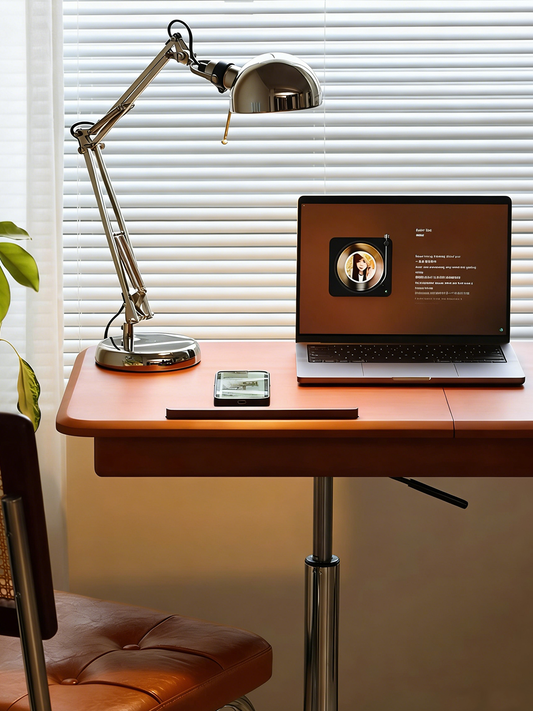
If you are looking for a masterpiece that seamlessly blends into a flexible lifestyle, the Long Island Table is the ultimate designer choice. Featuring a high-difficulty, three-legged solid red oak construction and discrete T-shaped metal anti-bending strips underneath, this refined piece easily transitions from a busy family dining room table solid oak into a spacious home office desk, providing comfortable leg clearance for the rhythm of everyday living.

For homes that embrace a bolder, contemporary aesthetic, designers love to contrast natural textures by pairing warm wood with earthy stone, making the Isabella Dining Table a true statement piece. Engineered with a thickened double-layer frame and a premium red oak base, it features a stunning matte Roman travertine surface that is exceptionally scratch and stain resistant—making it both structural and highly practical for busy modern households who love to entertain.

Deepen Your Design Knowledge: What to Read Next
If you are ready to invest in a piece that will truly anchor your home for years to come, choosing the right material is only the first step. To help you navigate the hidden details of premium craftsmanship and avoid costly mistakes, our design team has curated two essential guides:
-
Why Is Non-Finger-Jointed Solid Wood Better for Long-Lasting Dining Tables?
Ever wondered why some wood tables remain perfectly seamless while others show awkward zigzag lines over time? Dive into the structural secrets of non-finger-jointed solid wood and learn how single-piece timber cuts deliver the unmatched stability and clean, architectural lines that high-end designers always look for. -
Which Materials Should You Avoid in Furniture if You Care About Long-Term Durability?
Don't let a beautiful showroom finish fool you. From hollow particle boards that sag under weight to cheap veneers that peel at the edges, discover the exact materials that struggle to handle the rhythm of everyday living—and how to spot builds that are actually built to last.
FAQ
Why do interior designers recommend an oak dining table as the “anchor” of a modern room?
Designers see a dining room table as the heart of the home. It's where meals, gatherings, and work happen. Oak tables fit modern homes well because they're sturdy and look good.
What makes oak dining tables feel so “modern” in American homes?
Oak tables look modern because they reflect light. This makes rooms feel open and calm. It's perfect for bright, modern spaces.
How does Red oak’s color range help with an airy, organic look?
Red oak's colors range from beige to honey, with golden or gray undertones. This makes the table look airy and organic, yet modern.
Why is oak grain a good match for modern architecture and clean lines?
Oak grain is straight and uniform, fitting modern designs well. It adds a quiet elegance without being too busy.
Does oak work with mixed materials like black metal, stone, and textiles?
Yes, oak's timeless look pairs well with bold blacks, stone, and soft textiles. This makes it perfect for open-plan homes with different finishes.
Why do designers warn against “matchy” dining sets?
Matchy dining sets can feel heavy and uninviting. Mixing materials, like oak and leather, adds comfort and softness.
Is oak actually more durable than walnut for daily use?
Oak is harder than walnut, making it better for daily wear and tear. It resists dents and scratches well.
Which wood hides scratches better over time—oak or walnut?
Walnut shows scratches sooner but they blend with age. Oak hides small scratches well, but deeper marks may stand out. Over time, oak's wear looks more even.
Why does stability matter more in open-plan kitchen and dining layouts?
Open-plan spaces combine kitchen and dining. Humidity and temperature changes can stress a table. So, moisture resistance and anti-warp design are key.
If oak is stable, why should I also care about construction quality?
Good construction is just as important as the wood. Proper drying and strong joinery keep the table flat and square for years.
Why does the modern rectangular kitchen table shape stay so popular?
Rectangular tables are efficient and practical. They maximize seating and support everyday use, making them ideal for connecting during meals and work.
How do I plan chair spacing and legroom for comfort?
Place legs 10–20 cm in from the edge to allow for chair movement. Aim for 20 cm between chairs for comfort and leg clearance.
How do I avoid the “too small table in a big room” problem?
Choose a table that matches the room's size and your seating needs. Avoid undersized tables that look out of place.
How can I prevent the table from disappearing when it matches the floor color?
Add contrast with the base, like black metal legs. A rug extending 60 cm beyond the table edge also helps, keeping chairs on the rug.
What modern styles pair best with oak?
Oak fits well with Scandinavian and Japandi styles. These interiors value light, simplicity, and natural textures, complementing oak's warm tones.
What is “texture crossover,” and why is it trending in dining rooms?
Texture crossover blends natural warmth with refined surfaces. Pairing oak with travertine creates a modern, grounded look that feels organic.
What construction details signal exceptional stability and long-term performance?
Look for double-layer structure, thickened framing, and under-top supports. These features ensure the table stays flat and square over time.
How do under-table anti-bending supports help prevent warping?
Anti-bending strips, like T-shaped supports, resist sagging and warping. They're designed for real homes, not perfect showroom conditions.
What does “high-difficulty craftsmanship” mean in a dining table?
It means complex bases, tight joinery, and clean reinforcement. Such craftsmanship shows a table's strength and modern design.
Is “no assembly required” a real quality advantage?
It can be. Fewer joints mean tighter tolerances and less chance of loosening. This is good for a stable base under daily use.
Which ChapterLiving tables fit these designer-driven expectations?
ChapterLiving offers versatile, stylish pieces. The Long Island Table and Isabella Dining Table are examples. They combine modern design with practicality.
Previous
Why £299? The best-value sit-stand desk- in the UK
Next
Is your oak table releasing hidden VOCs? Why water-based finishes are a must for families with kids?